Source IP68 Waterproof Rear Camera for Trucks, SUVs, and Trailers
Find 19 ip68 waterproof rear camera options for trucks, SUVs, and trailers. Compare models like CL-906 and MS-750 with features such as night vision, shockproof design, and IP68/IP69 ratings. Source reliable blind spot monitoring and rear view solutions for commercial and agricultural vehicles.
Key considerations
Products List


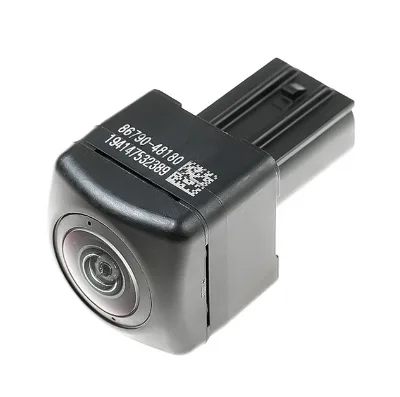

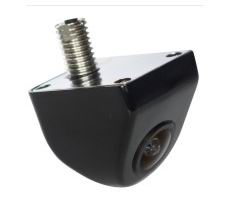

Comprehensive Sourcing Guide
IP68 Waterproof Rear Camera Sourcing Guide
Procuring IP68 waterproof rear cameras requires a strategic approach to balancing rugged durability with clear visual performance in adverse conditions. These devices are engineered to withstand continuous submersion and high-pressure water jets, making them indispensable for heavy-duty transport and industrial machinery. Buyers must prioritize models that explicitly state their ingress protection ratings to ensure the hardware can survive the harsh environments typical of agricultural, construction, and commercial fleet operations.
The selection process involves evaluating how the camera integrates with existing vehicle monitoring systems while maintaining signal integrity under vibration and temperature extremes. Since these units often serve as critical safety components for blind spot monitoring and rear-view assistance, verifying the optical clarity and night vision capabilities is as important as the physical housing. Sourcing guides emphasize the need to match the camera’s operational voltage and interface types with the specific electrical architecture of the target vehicle platform.
Product Scope and Observed Listing Signals
The market for these cameras spans a diverse range of vehicle types, including cars, SUVs, trucks, RVs, forklifts, harvesters, and agricultural machinery. Listings frequently highlight compatibility with engineering vehicles and sightseeing cars, indicating a broad applicability across both passenger and specialized industrial sectors. Buyers should observe that the core function often extends beyond simple video recording to include blind spot monitoring and night vision enhancements, which are critical for safety in low-light or complex traffic scenarios.
Observed product attributes reveal a strong emphasis on environmental resilience, with features like dustproof and shockproof designs being standard expectations. The viewing angle typically ranges from 100 to 170 degrees, providing a wide field of view essential for large vehicles with significant rear blind spots. Additionally, the working temperature range of -20°C to +70°C suggests that these units are built to operate reliably in extreme climates, from freezing winters to scorching summer operations, without performance degradation.
Technical Specifications to Verify
When evaluating technical specifications, the shell material is a primary indicator of durability, with options ranging from iron and ABS plastic to aluminum. Aluminum housings often provide superior heat dissipation and structural integrity, while ABS plastic offers cost-effective impact resistance. Buyers must verify the specific waterproof grade, as IP68 is a common benchmark, though some ruggedized models may offer IP69K ratings for high-pressure cleaning scenarios. The interface type, such as air plugs or standard connectors, must be compatible with the vehicle’s existing wiring harness to simplify installation.
Display and sensor technologies also play a crucial role in image quality, with CCD chips and LCD matrix displays being common configurations. Brightness levels around 600 CD/M2 and free viewing angles of 130 degrees ensure visibility in direct sunlight. It is essential to confirm the operating voltage range, typically DC8-32V, to ensure compatibility with various vehicle electrical systems. Shockproof ratings, such as 10g, should be cross-referenced with the vibration profiles of the intended application to prevent premature failure.
Compliance and Safety Documentation
Compliance with international standards is non-negotiable for industrial and commercial vehicle components. Buyers should request documentation confirming certifications such as ISO, CE, RoHS, and E-MARK, which validate adherence to quality management, electromagnetic compatibility, and environmental safety regulations. These certifications not only facilitate customs clearance but also assure that the product meets the rigorous safety requirements of different regional markets. Verifying these documents early in the sourcing process helps mitigate legal and operational risks associated with non-compliant hardware.
In addition to regulatory certifications, buyers should inquire about specific industry standards like ISO9001:2000, which indicates a robust quality management system. The presence of FCC certification is particularly important for markets with strict electromagnetic interference regulations. Ensuring that the supplier can provide up-to-date compliance certificates for each batch of production is vital for maintaining consistent quality and avoiding disruptions in the supply chain due to regulatory audits or market restrictions.
Cost Drivers and Commercial Terms
The cost of IP68 waterproof rear cameras is influenced by several factors, including the shell material, sensor quality, and additional features like night vision or gauge integration. Prices observed in the market range significantly, reflecting variations in build quality and feature sets. Buyers should analyze the cost per unit against the expected lifespan and maintenance requirements, rather than focusing solely on the initial purchase price. Higher upfront costs for aluminum housings or advanced CCD sensors may result in lower total cost of ownership due to reduced failure rates.
Commercial terms such as minimum order quantity (MOQ) and warranty periods are critical components of the procurement strategy. MOQs can vary widely, from single units for testing to thousands for large fleet deployments, impacting inventory management and cash flow. Warranty periods, often ranging from 12 to 24 months, provide a safety net against manufacturing defects. Buyers should negotiate clear terms for returns and replacements to ensure that any defective units do not result in significant operational downtime or additional logistical costs.
Supplier Qualification and Quality Control
Supplier qualification involves assessing the manufacturer’s production capabilities, quality control processes, and track record in the automotive or industrial sectors. Buyers should verify that the supplier has established procedures for testing waterproof integrity and shock resistance, ensuring that every unit meets the specified IP68 or higher ratings. Requesting samples for independent testing is a prudent step to validate the supplier’s claims regarding durability and performance under real-world conditions.
Quality control should also extend to packaging and labeling, as proper protection during transit is essential to prevent damage to sensitive electronic components. Observations of packaging types, such as gift boxes, cartons, or standard boxes, can indicate the level of care taken in handling the products. Buyers should establish clear acceptance criteria for incoming goods, including visual inspections and functional tests, to ensure that the delivered products match the agreed-upon specifications and quality standards.
Long-Term Procurement Checks
Long-term procurement success depends on the supplier’s ability to provide consistent quality and support over time. Buyers should monitor supplier performance metrics, such as defect rates and response times to technical issues, to identify potential problems early. Establishing a regular review process for product performance in the field can provide valuable feedback for future purchasing decisions and help in selecting more reliable models. Continuous engagement with the supplier can also lead to improvements in product design and functionality based on real-world usage data.
Additionally, buyers should stay informed about technological advancements and regulatory changes that may impact the relevance of their current procurement strategy. Keeping an eye on emerging features, such as improved night vision or enhanced connectivity options, can help in planning future upgrades. By maintaining a proactive approach to supplier management and product evaluation, buyers can ensure that their fleet or machinery remains equipped with the most effective and reliable rear camera solutions available.
FAQs
What is the IP rating for these rear cameras?
The cameras feature IP68 and IP69 waterproof grades, ensuring reliable operation in harsh environments. This high-level protection shields internal components from dust and water immersion, making them suitable for agricultural, engineering, and commercial vehicles exposed to heavy rain or washing.
Which vehicle models are compatible with these cameras?
These cameras support a wide range of vehicles including cars, SUVs, trucks, RVs, forklifts, harvesters, and sightseeing cars. They are designed for rear view installation and adapt to commercial, agricultural, and engineering applications, providing versatile mounting options for various fleet needs.
Can these cameras operate in extreme temperatures?
Yes, the working temperature range spans from -20°C to +70°C. This broad thermal tolerance ensures consistent performance in diverse climates, allowing the cameras to function reliably in both freezing winter conditions and hot summer environments without degradation in image quality or hardware integrity.
What certifications do these products hold?
The products hold ISO, CE, and RoHS certifications, ensuring compliance with international safety and environmental standards. Some models also meet FCC and E-MARK standards. These certifications verify that the manufacturing processes and materials adhere to strict regulatory requirements for quality and consumer safety.
What is the typical warranty period for these cameras?
The warranty period is typically 12 to 24 months, depending on the specific model. This coverage provides buyers with assurance regarding product durability and manufacturer support. Buyers should verify the exact warranty terms for their selected model, such as the MS-716RSC or CL-906, during procurement.
Are customization options available for these cameras?
Customization is available for these rear cameras, allowing buyers to tailor specifications to specific fleet requirements. Options may include custom packaging, specific interface types like Air Plug, or tailored viewing angles. Buyers should consult suppliers directly to confirm the extent of available customization services.